Last year the Toronto Board of Health responded to extreme heat, wildfire evacuations and an increase in vaccine-preventable disease.
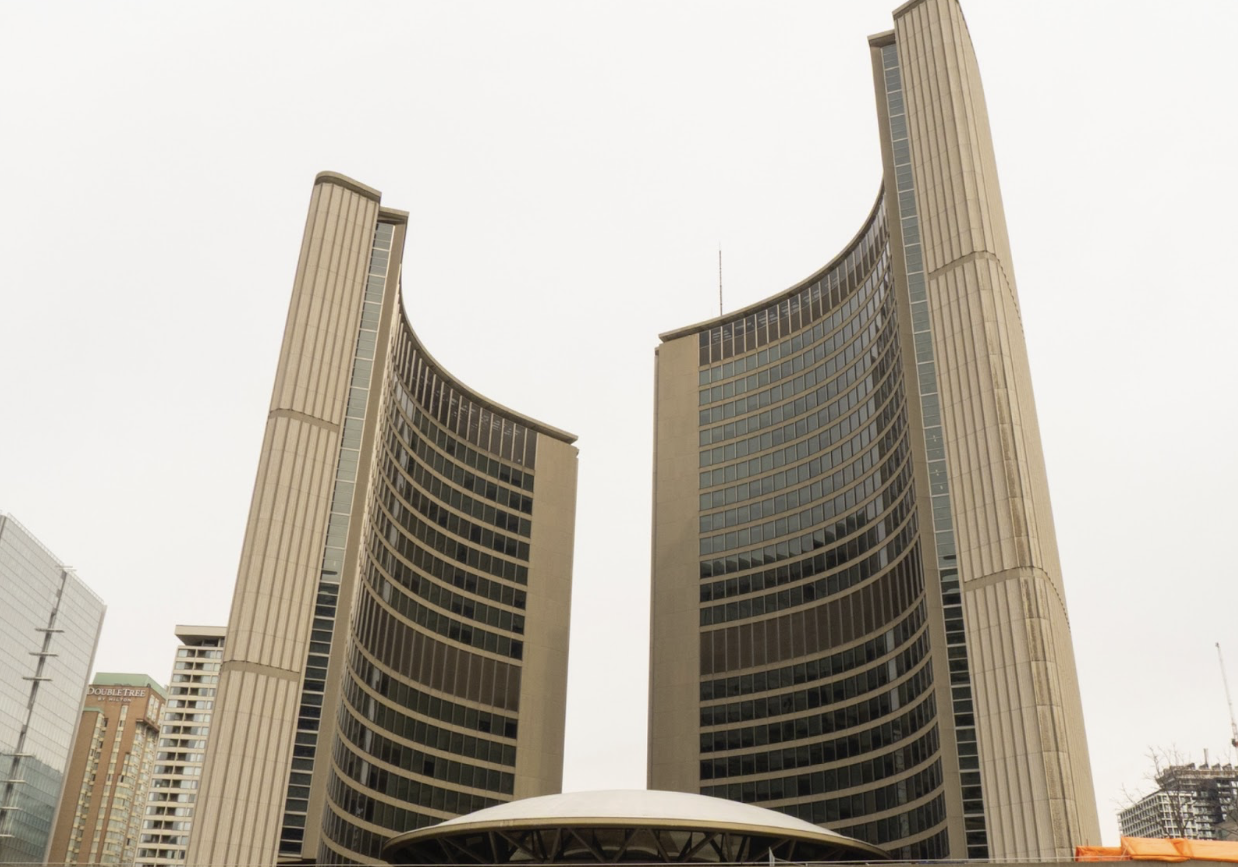
The Board of Health received a report on Toronto Public Health activities in 2025 on Mar. 20, 2026. This report was accompanied by a presentation from the Medical Officer of Health Dr. Michelle Murti.
Last year, Toronto Public Health performed over 1200 investigations of vaccine-preventable infections such as measles, mumps, and pertussis, which is almost double the pre-pandemic average of 611.
They also provided case and contact management to reduce the spread of these diseases. Dr. Murti noted that these investigations are increasingly complex due to an increase in homelessness.
They also managed 318 active tuberculosis cases, which is nearly 25 per cent increase in the last 10 years.
Ontario faced its largest measles outbreak in over 25 years. Toronto Public Health responded with case and contact management, public education campaigns and vaccination which officials say limited the spread to only 10 cases in Toronto.
Toronto Public Health also responded to record-breaking heat in the summer of 2025. They increased the number of heat relief spaces to over 550 and monitored heat related illness.
They also supported the evacuations of northern First Nations communities amid last summer’s wildfires.
This included services like immunization, dental screenings, harm reduction and parenting support.
When several deputants raised issues about the side effects of vaccines, Dr. Michelle Murti explained that the link between autism and vaccines have been disproven.
One deputant complained about the city’s harm reduction services, including the distribution of things like clean needles and about public drug use. He showed the Board of Health a handful of photos and videos on his tablet of people using drugs in public, and of supplies found on the ground.
The Board also voted on recommendations in a letter written by Councillor Chris Moise in response to the provincial defunding of consumption and treatment services (CTS).
In it, he described how the funding cuts would affect the CTS at Fred Victor and Moss Park, leaving only two public sites in Toronto.
He emphasized that CTS are a crucial starting point for people to transition to addiction treatment and that the sites are a primary source of community for people who use drugs.
He added that this decision would come at the cost of valuable information about the unregulated drug supply. Toronto’s Drug Checking Service relies on CTS to provide samples to track what is in the drug supply so that officials can respond appropriately and alert the public about dangerous trends.
During the meeting, Moise also noted that previous CTS closures have led the remaining sites to be overwhelmed and that residents have noticed an increase in public drug use. He added that these additional closures would compound those effects.
The letter recommended that the Board of Health request that the province continue funding these services at the Moss Park and Fred Victor sites and that drug checking sample collection sites remain available. It also recommended that the Board of Health acknowledge the stigma and discrimination faced by people who use drugs.
The managing director of Toronto’s Drug Checking Service Hayley Thompson spoke to the item. She said that since launching in October of 2019 they have collected 20,000 drug samples and checked them for drug users.
They have seen approximately a 50 per cent reduction in sample volumes since the closure of the supervised consumption sites in South Riverdale, Parkdale Queen West and Regent Park. This is due to the Community Care and Recovery Act in December of 2024,and they are concerned about further closures. She emphasized the risk of both fatal and non-fatal drug poisonings if drugs aren’t checked.
Key takeaways
- Last year, Toronto Public Health
- Responded to a growing number of vaccine-preventable disease cases, including measles, mumps and pertussis
- Provided heat relief spaces
- Supported wildfire evacuations
- The Board of Health urged the Government of Ontario to continue funding CTS, citing the need to track trends in the unregulated drug market, their function as a starting point to treatment and the community it provides to people who use drugs.
On-the-ground observations from our documenter, Christian Malong
I think it’s interesting that amid provincial cuts to supervised consumption sites, and growing overdose rates, there were complaints about seeing public drug usage. At this meeting, municipal officials were taking the criticism rather than the province.
I’m also curious about how the ongoing charter challenge against the Community Care and Recovery Act may impact CTS sites.
CHECK YOUR FACTS
- Board of Health – March 30, 2026
- Board of Health – Meeting 31
- HL31.1 – 2025: A Year-in-Review of Toronto Public Health
- 2025: A Year-in-Review of Toronto Public Health
- 2025: Year-in-Review of Toronto Public Health Presentation
- HL31.11 – Response to Provincial Defunding of Consumption and Treatment Services (CTS)
- Re: Response to Provincial Defunding of Consumption and Treatment Services (CTS)
- Community Care and Recovery Act, 2024, S.O. 2024, c. 27, Sched. 4
- The Neighbourhood Group Community Services Files Charter Challenge Against Community Care and Recovery Act

